 Call Us : 08045816133Call Us : 08045816133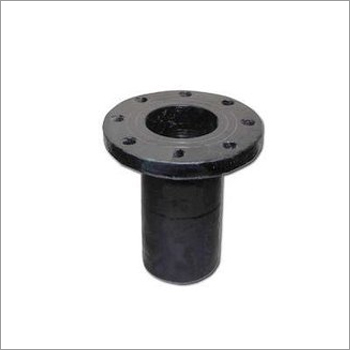
Cast Iron Tail Piece
Product Details:
- Noise Level Silent operation
- Shape Round flange with extended tail
- Features High durability, corrosion resistance, robust design
- Usage & Applications Used to connect and terminate pipework in drainage, plumbing, and sewage pipelines
- Tool Type Plumbing fitting
- Product Type Cast Iron Tail Piece
- General Use Plumbing and pipe fitting applications
- Click to View more
X
Cast Iron Tail Piece Price And Quantity
- 100
Cast Iron Tail Piece Product Specifications
- Used to connect and terminate pipework in drainage, plumbing, and sewage pipelines
- High durability, corrosion resistance, robust design
- Varies by model; customizable sizes available
- Round flange with extended tail
- Black or natural cast iron finish
- Cast Iron
- Silent operation
- Depends on pipe size, typically standard for compatible fittings
- Cast Iron Tail Piece
- Plumbing and pipe fitting applications
- Approximately 1-5 kg depending on size
- Plumbing fitting
- Manual
- Flanged or spigot connection
- Can withstand typical water and waste flow temperatures
- May be supplied with bitumen, epoxy, or without coating depending on user requirements
- Rough or moderately smooth cast surface
- Suitable for standard gravity flow and pressure lines
- Suitable with cast iron, ductile iron, and some PVC fitting systems
- Long service life due to robust material
- Low maintenance required
Cast Iron Tail Piece Trade Information
- All India
Product Description
Cast Iron Thresher Hub is a farm machine used for separating wheat, soybeans, peas, and other small grain and seed crops from their straw and chaff. Primitive threshing methods involved beating by hand with a flail or trampling by animal hooves. Cast Iron Thresher Hub has gained us high rising appreciation for its effectiveness and quality leading to increasing demands.
High Durability and Corrosion Resistance
Engineered from premium cast iron, this tail piece withstands everyday wear and exposure to water and waste flows. Its resistance to corrosion and impact ensures a prolonged service life, even in harsh plumbing environments. Optional bitumen or epoxy coatings can further enhance its protection, making it suitable for a wide range of drainage and sewage installations.
Versatile Connections for Plumbing Systems
Available with either flanged or spigot connections, the cast iron tail piece seamlessly integrates into existing pipelines. It is engineered to be compatible with cast iron, ductile iron, and certain PVC fittings, making it an adaptable choice for both new installations and upgrades in plumbing, drainage, and sewage networks.
Silent and Reliable Performance
Thanks to its robust design and solid construction, the tail piece provides silent operation within your pipework, reducing disturbance from flowing water or waste. Its heavy-duty build enables it to handle typical system pressures and temperatures, ensuring leak-free connections and dependable results in various plumbing applications.
FAQ's of Cast Iron Tail Piece:
Q: How is a cast iron tail piece typically installed in plumbing systems?
A: A cast iron tail piece is installed using either its flanged or spigot connection, depending on the pipework configuration. It can be securely bolted or fitted into the connecting pipe, and proper sealing methods, such as gaskets, are used to ensure a leak-proof joint. Installation is generally straightforward and is suited for standard plumbing applications.Q: What types of coatings are available for cast iron tail pieces, and what are their benefits?
A: Cast iron tail pieces may be supplied with bitumen, epoxy, or without a coating. Bitumen and epoxy coatings provide enhanced resistance to corrosion and environmental factors, prolonging the lifespan of the fitting. Uncoated versions may be chosen if compatibility with specific piping materials is required or by user preference.Q: When should I use a cast iron tail piece instead of other materials?
A: You should choose a cast iron tail piece when high durability, corrosion resistance, and a long service life are required, especially in applications involving standard gravity flow or pressure lines. It is particularly well-suited for drainage, sewage, and plumbing systems where robust connections are necessary.Q: Where can cast iron tail pieces be applied in a plumbing network?
A: These fittings are commonly used to connect and terminate pipework in drainage lines, plumbing networks, and sewage pipelines. Their versatile design makes them suitable for use in both residential and commercial facilities across multiple sectors.Q: What maintenance is required for a cast iron tail piece?
A: Cast iron tail pieces require minimal maintenance due to their robust construction and corrosion-resistant properties. Routine inspection for signs of leakage or wear is recommended, but intervention is rarely needed under normal operation.Q: How does the compatibility of the cast iron tail piece benefit installers?
A: The compatibility with cast iron, ductile iron, and select PVC fittings streamlines installation, allowing the tail piece to integrate with various piping systems. This versatility reduces the need for special adapters and simplifies system upgrades or repairs.Q: What is the expected service life of a cast iron tail piece?
A: Cast iron tail pieces offer a long service life thanks to their durable material and high resistance to corrosion, ensuring reliable operation in piping systems for many years with minimal maintenance.Tell us about your requirement

Price:
Quantity
Select Unit
- 50
- 100
- 200
- 250
- 500
- 1000+
Additional detail
Mobile number
Email


Address
MAYRA INDUSTRIES
GST : 08BJWPS0611M1ZL
GST : 08BJWPS0611M1ZL
- Plot.No-5, Near Vaid Ji Ka Choraha, Niwaru Road, Jhotwara,Jaipur - 302012, Rajasthan, India
- Phone :08045816133
- Send Inquiry
 Send Inquiry
 Send Inquiry
 Send SMS
 Call Me Free
 |
MAYRA INDUSTRIES
All Rights Reserved.(Terms of Use) Developed and Managed by Infocom Network Private Limited. |
